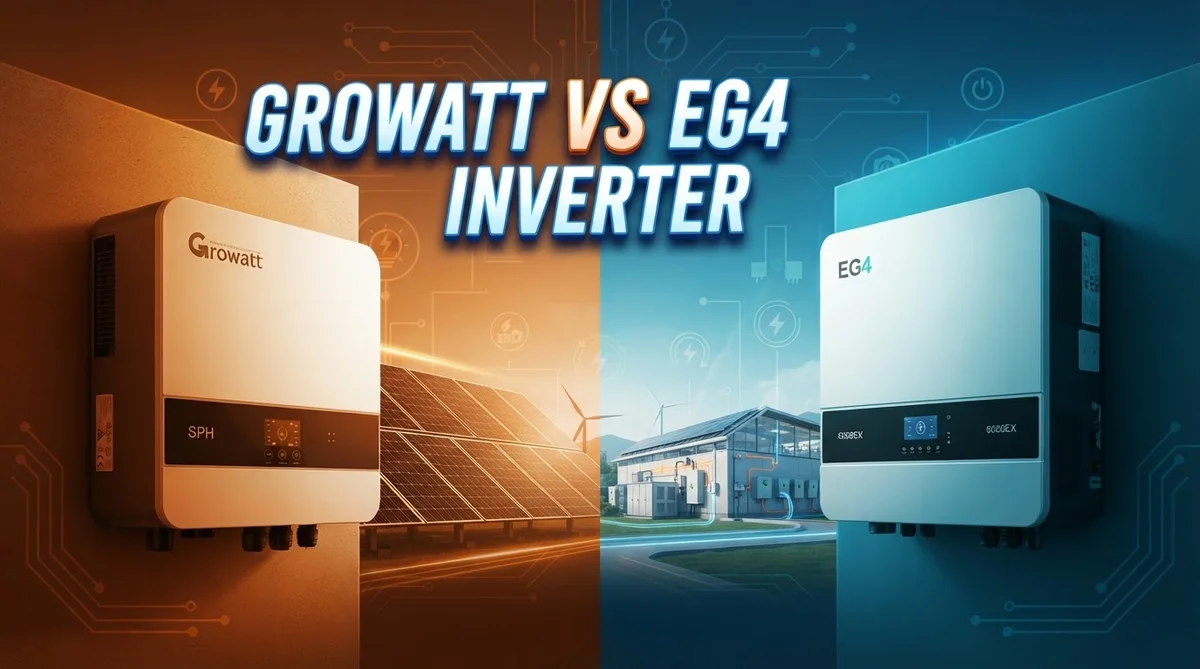
Growatt vs EG4 Inverter: Efficiency, Reliability & Performance Comparison
Choosing a solar inverter can feel tricky. Two names often come up in this search: Growatt and EG4.
Both brands offer hybrid inverters for home solar systems. But they take different paths to get you power.
Growatt focuses on high efficiency and flexible setups. It works well for DIY solar projects with LiFePO4 batteries.
EG4 takes a different approach. It builds inverters for reliability and tough conditions.
Models like the 6000XP and 12000XP handle serious power loads. They even include military-grade protection for extra peace of mind.
So which inverter fits your setup? This guide breaks down specs, strengths, and weaknesses for both brands.
We will look at efficiency ratings, build quality, and real-world performance. You will also see which brand suits off-grid living versus grid-tied backup.
By the end, you will know exactly which inverter matches your energy goals. Let us jump into the details and find your perfect match.
Quick Comparison: Growatt vs EG4 Inverter
| Feature | Growatt | EG4 Inverter |
|---|---|---|
| Efficiency | 97-98% | 99% MPPT efficiency |
| Configuration | Hybrid, flexible setup | Hybrid and off-grid capable |
| Power Output | Standard hybrid range | 6kW to 12kW models |
| MPPT/Input | Standard MPPT | Dual MPPTs, 100-480V DC |
| Reliability | Failures reported early | High reliability, robust build |
| Protection | Standard protection | Military-grade EMP protection |
| Software/App | Crashes, unreliable logger | Stable performance reported |
| Parallel Capability | Limited parallel options | Parallelable up to 10 units |
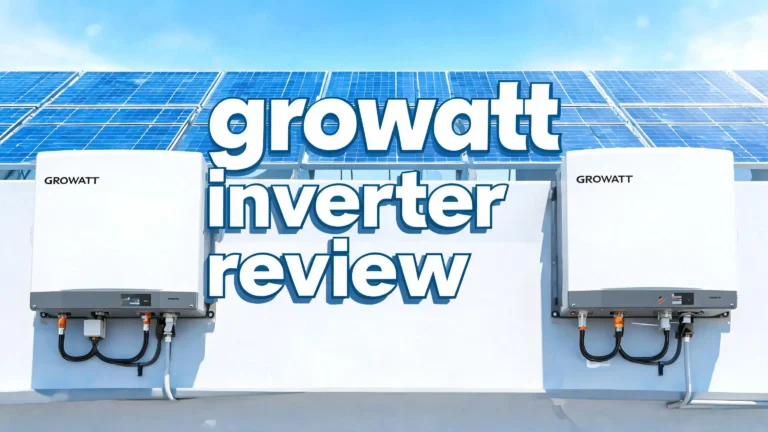
Growatt Review

- 【Emergency Electric Generator with Extended Runtime】3600W output and 3600Wh (3.6kWh...
- 【High-Performance Expandable Backup Battery】Connect two units in parallel to get...

Last update on 2026-09-01 / Affiliate links / Images from Amazon Product Advertising API
Growatt inverters bring hybrid solar capabilities to residential installations. They work well for DIY enthusiasts and systems that need flexible battery integration.
These units deliver 97-98% efficiency, matching industry standards for modern solar setups. The hybrid configuration lets you switch between grid-tied and battery modes without major rewiring.
Real-world performance reveals some concerns. Users report device failures within 2 months of installation, and the software app frequently crashes during monitoring.
The data logger also shows reliability issues that affect system tracking.
Build quality appears compromised at the entry price point. Warranty upgrades carry steep additional fees, which many owners find frustrating when early failures occur.
Pros
- High efficiency rating keeps power losses minimal
- Flexible hybrid setup works with LiFePO4 batteries
- Straightforward installation for DIY solar projects
- Simple configuration for battery-storage systems
Cons
- Early failures reported within weeks of startup
- App and software crash frequently, disrupting monitoring
- Data logger unreliability affects system diagnostics
- Warranty extensions come at significant extra cost
EG4 Inverter Review

- Home Backup Power Station: Still worried about power outages? This kit includes one 51.2V...
- Passed UL1973 & UL1741 Tests: The battery and inverter have passed UL1973 & UL1741 testing...
Last update on 2026-09-01 / Affiliate links / Images from Amazon Product Advertising API
EG4 inverters are high-performance hybrid systems built for serious solar installations. These units excel in off-grid setups, whole-home backup scenarios, and reliability-critical applications where downtime costs money.
The standout feature is 99% MPPT efficiency paired with dual MPPTs that handle maximum power extraction. Models like the 6000XP (6kW), 12000XP (12kW), and 18kPV-12LV (18kW PV input) scale from small homes to larger properties, and you can parallel up to 10 units for even greater capacity.
Build quality reflects military-grade design standards, including EMP protection that safeguards against electromagnetic interference. The DC input range spans 100-480V, giving you flexibility with different battery bank configurations and solar array setups.
Real-world performance data shows consistent reliability without the early-failure patterns seen in competing brands. Hot climate deployments benefit from robust thermal management, making these inverters ideal for desert or tropical regions.
Pros
- 99% MPPT efficiency maximizes solar power capture
- Military-grade EMP protection shields electronics
- Parallelable up to 10 units for scalable systems
- High reliability with minimal documented failures
Cons
- Limited DIY battery flexibility compared to some alternatives
- Recent price increases affect system budgets
- Steeper learning curve for advanced configuration options
Head to Head: Key Differences
Growatt and EG4 take fundamentally different engineering approaches to solar inverters. Growatt prioritizes accessible hybrid functionality with solid efficiency numbers.
EG4 builds systems around military-grade durability and maximum power extraction.
Efficiency and Power Handling differ significantly between the two brands. Growatt delivers 97-98% efficiency with single MPPT architecture.
EG4 pushes to 99% MPPT efficiency using dual MPPTs that extract more power from your solar array.
Real-World Reliability shows the sharpest contrast in actual deployments. Growatt units experience documented failures within 2 months of operation, with data loggers frequently becoming unreliable during normal use.
EG4 systems demonstrate consistent uptime with minimal early-failure reports across residential and off-grid installations.
Build Quality and Protection reflects each brand’s design philosophy. EG4 incorporates military-grade EMP protection that shields sensitive electronics from electromagnetic interference.
Growatt uses standard industrial protection, which works adequately but lacks this advanced safeguarding. EG4’s construction quality shows fewer stress points under extended operation.
System Scalability matters for growing solar needs. EG4 allows parallel connection of up to 10 units for increased capacity.
Growatt offers hybrid configuration flexibility but with less scalable architecture for large deployments.
Software and Monitoring reveal operational differences. Growatt’s app and software experience frequent crashes that frustrate users tracking system performance.
EG4’s monitoring systems operate more stably, though both brands offer cloud-based data logging.
Best Fit Scenarios depend on your priorities. Choose Growatt if you need hybrid battery flexibility and run a small DIY installation.
Select EG4 if reliability matters most, especially for off-grid living or whole-home backup systems in demanding environments.
Which One Should You Buy
EG4 Inverter stands out as the overall winner in this comparison. It offers stronger reliability, better efficiency, and tough build quality with military-grade protection.
This makes EG4 the smarter pick for anyone who needs consistent, long-term power performance. Growatt still holds value for specific use cases, but EG4 wins on durability and demanding power needs.
If you want a system that handles heavy use without breaking down, EG4 is the safer bet.
Best for each buyer
-
Growatt Inverter: Great for DIY enthusiasts building budget-limited systems with LiFePO4 batteries. Best suited for users who can accept some reliability trade-offs.
-
EG4 Inverter: Ideal for off-grid setups, whole-home backup systems, and hot-climate installations. Perfect for buyers who need high-capacity, dependable power handling.
Frequently Asked Questions
Which inverter handles off-grid systems better?
EG4 is purpose-built for off-grid installations. The 6000XP and 12000XP models work seamlessly without grid connection.
You get dual MPPTs that extract maximum power from your solar array, which matters when you can’t rely on utility backup.
Growatt offers hybrid capability too, but real-world data shows EG4 performs more reliably in remote locations. The military-grade EMP protection also shields your system from electrical surges that can occur in isolated areas.
What happens if my inverter fails early?
Growatt users have reported failures within 2 months of startup. The data logger proves unreliable, and software crashes happen frequently.
Warranty upgrades add extra cost when problems emerge.
EG4 shows minimal early-failure patterns across residential and off-grid deployments. The robust build quality means you get consistent uptime without unexpected breakdowns.
This reliability difference matters most in whole-home backup situations where downtime is costly.
Can I expand my system later?
EG4 inverters are parallelable up to 10 units. You start small and add capacity as your needs grow.
This scalability works well for expanding off-grid systems or adding more solar panels.
Growatt offers hybrid flexibility with LiFePO4 batteries, but lacks the same expansion capability. If future growth matters to you, EG4’s parallel architecture gives you more options.
Which works better in hot climates?
EG4 performs consistently in high-temperature environments. The military-grade design handles heat stress without efficiency drops.
Many hot-climate deployments rely on EG4 for this reason.
Growatt may experience performance degradation in extreme heat. The reliability concerns worsen when temperatures climb, making EG4 the safer choice for desert or tropical installations.